| Year | |
| Event | Investigation into the explosion of the Space Shuttle Challenger |
| Outcome | Sweeping reforms at NASA and lasting impact on the agency's operations and public trust |
| Subject | 1986 explosion of the Space Shuttle Challenger |
| Key issues uncovered | Faulty O-ring seal • Flawed decision-making • Corporate influence • Organizational climate prioritizing public relations over safety |
| Official explanation | Faulty O-ring seal |
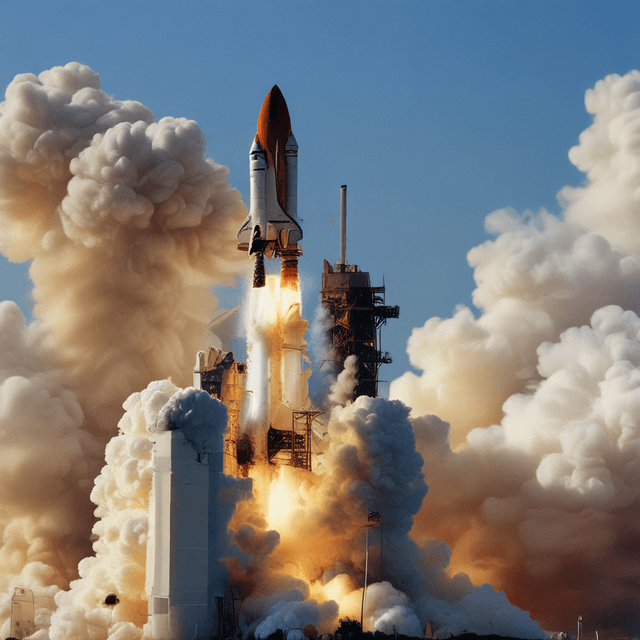
On January 28, 1986, the Space Shuttle Challenger broke apart 73 seconds after launch, killing all seven crew members on board. The shocking disaster was witnessed live on national television and became a defining moment of the space age. In the aftermath, the government launched a high-profile investigation to determine the cause of the explosion and hold accountable any parties responsible.
In the immediate wake of the tragedy, President Ronald Reagan's administration quickly established the Rogers Commission to lead the official inquiry. The commission, chaired by former Secretary of State William P. Rogers, initially focused on a technical failure - the breakdown of a critical O-ring seal on one of the solid rocket boosters. This was the explanation put forth by NASA officials, who argued that the cold temperatures on the launch day had compromised the O-ring's integrity.
The Rogers Commission's initial report in 1986 largely corroborated NASA's position, though it also identified broader organizational issues that may have contributed to the disaster, including communication breakdowns and a lack of effective safety culture within the agency. However, the commission's work was criticized by some members of Congress and the public as being too deferential to NASA leadership.
As the months passed, alternative theories about the Challenger explosion began to emerge and gain traction, fueled by skepticism about the official account. Some engineers and whistle-blowers came forward alleging that the true cause was not the O-ring, but rather a defective solid rocket booster design that was well known within NASA. Others pointed to undue corporate influence from the Morton Thiokol company, the manufacturer of the boosters, which they claimed had pressured NASA to approve the launch despite safety concerns.
Conspiracy theorists, meanwhile, began to speculate that the disaster was intentionally caused by the government, either to boost military space programs or to eliminate the Challenger's civilian crew, which included school teacher Christa McAuliffe. These alternative theories, amplified by a growing distrust of the establishment, put increasing pressure on the investigation.
In 1991, the investigation was reopened and significantly expanded under a new commission led by Richard Feynman, the renowned physicist who had previously served on the Rogers Commission. Feynman's team conducted a far more rigorous, independent probe, gaining access to internal NASA documents and interviewing numerous current and former agency officials.
Their findings painted a damning picture of serious organizational problems at NASA. The investigators uncovered a pattern of flawed decision-making, with managers routinely disregarding warnings from engineers about potential safety issues. They also documented a corporate culture that prioritized public image and meeting launch schedules over transparent risk assessment. The influence of Morton Thiokol, which had even edited NASA's original reports, was particularly troubling.
The Feynman Commission's final report in 1991 sparked outrage in Congress, leading to high-profile hearings that put NASA leadership under intense scrutiny. Lawmakers grilled the agency's top officials on their role in the Challenger disaster and the longstanding issues the investigation had uncovered.
This political fallout, combined with the public relations damage, forced sweeping changes at NASA. The agency underwent a major restructuring, with new safety protocols, decision-making processes, and independent oversight mechanisms put in place. Budgets were increased to support greater investment in engineering and quality control. However, the Challenger disaster and subsequent investigation left a lasting scar on NASA's reputation and public trust in the space program.
The 1991 Challenger investigation stands as a cautionary tale about the dangers of bureaucratic insularity, corporate influence, and a culture that fails to prioritize safety. Its lessons continue to reverberate through the aerospace industry and beyond, serving as a reminder of the importance of transparency, accountability and putting scientific integrity above other institutional interests.
